
Dangers of Personalized Nutrition
www.deerfieldfocalpoint.com/articles/dangers-of-personalized-nutrition
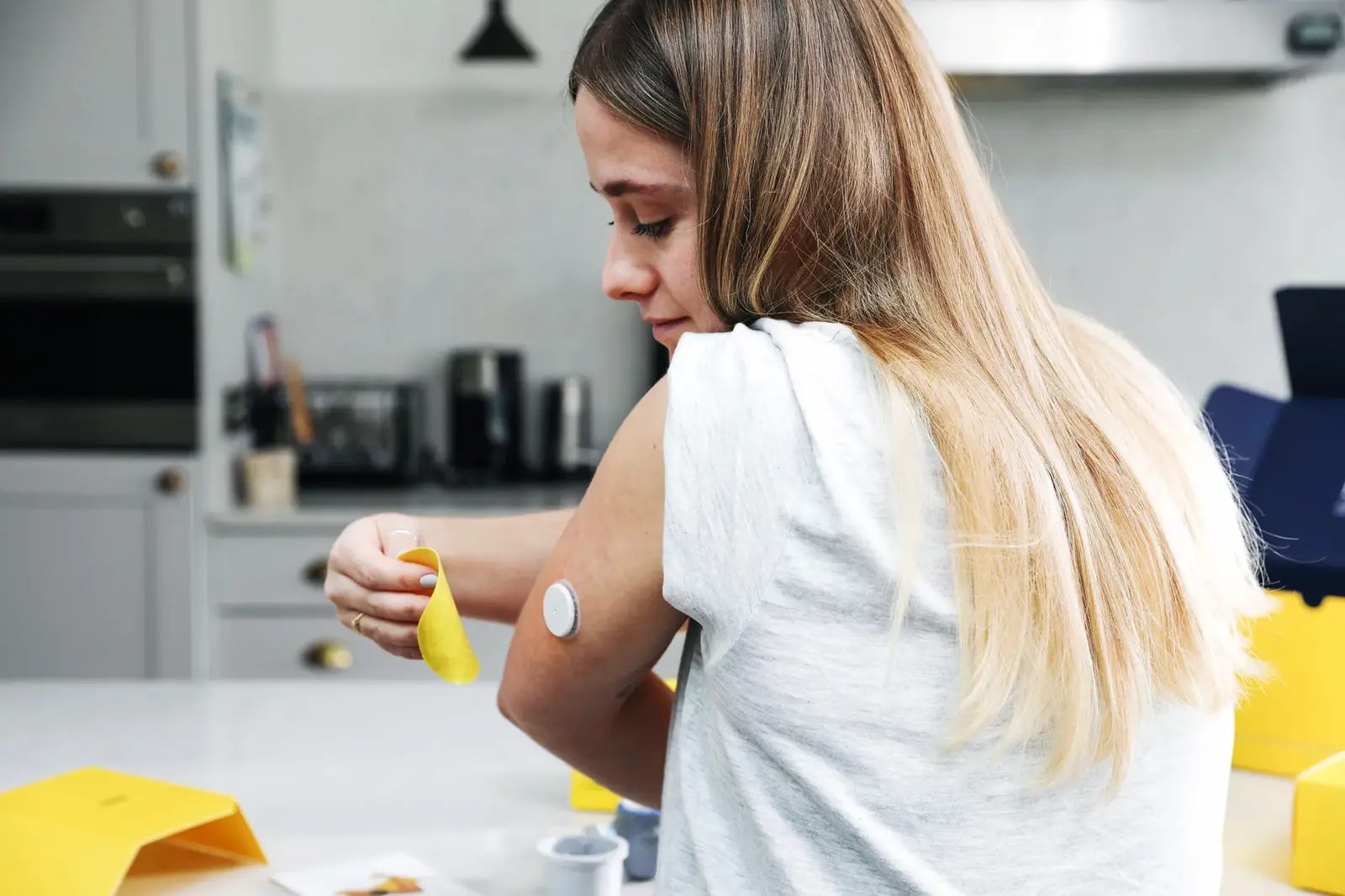
In a digital age dominated by data-driven solutions, the allure of personalized nutrition apps has captured the attention of health-conscious individuals seeking tailor-made dietary advice. A recent Wired article delved into the world of apps like Zoe Nutrition, shedding light on both the promises and perils that accompany the quest for individualized nutrition guidance.
The concept of personalized nutrition, while promising in theory, raises several red flags that merit careful consideration. One of the primary concerns underscored by experts is the oversimplification of a profoundly complex science. Nutrition is not a linear equation; it is a dynamic interplay of genetics, lifestyle, and environmental factors. Personalized nutrition apps, like Zoe, often hinge on a limited set of data points, potentially overlooking critical nuances that contribute to an individual’s overall health.
The risk of over-reliance on technology looms large in the realm of personalized nutrition. Users may be tempted to blindly follow algorithm-generated recommendations without considering broader health contexts. The human body is a dynamic system, and nutrition is not a one-size-fits-all solution. Algorithmic predictions, no matter how sophisticated, may fall short of capturing the intricacies of an individual’s unique physiology.
Privacy emerges as a substantial concern in the landscape of personalized nutrition. Apps collecting sensitive health data pose questions about data security and the potential misuse of personal information. As users willingly share their biological markers and health metrics, the need for robust safeguards to protect privacy becomes more critical than ever. Striking a balance between personalized insights and the protection of sensitive health information is a delicate and critical challenge.
While personalized nutrition apps aim to empower users with insights into their dietary needs, there’s a risk of fostering unhealthy relationships with food. The pursuit of perfection guided by algorithmic recommendations may lead to unrealistic dietary ideals and, in extreme cases, contribute to the development of disordered eating patterns.
Amidst these concerns, it’s crucial to approach personalized nutrition with a careful mindset. While these apps may offer valuable insights, they should be regarded as tools rather than infallible authorities. Consulting with qualified healthcare professionals, such as registered dietitians, remains a critical step in navigating the complexities of individualized dietary choices.
The Wired article prompts us to reflect on the potential dangers that accompany the promises of personalized nutrition. As we navigate this frontier of data-driven health solutions, it’s important to strike a balance between technological innovation and the timeless wisdom of holistic, individualized care. The path to better health should be paved with informed choices, ethical considerations, and a nuanced understanding of the complexities inherent in the realm of personalized nutrition.
Notes
- Browne, G., & Reynolds, M. (2023, October 16). Personalized Nutrition Programs Are Making People Feel Weird About Food. Retrieved April 1, 2024, from https://www.wired.com/story/zoe-nutrition-apps/ Back