
Long COVID Lingers in COVID-19 Patients Months After Acute Infection
www.deerfieldfocalpoint.com/articles/long-covid-lingers-in-covid-19-patients-months-after-acute-infection
Adults around the world are experiencing long COVID as the aftermath of contracting COVID-19. In fact, nearly one in five adults who have had COVID-19 have symptoms of long COVID. Patients have reported over 200 symptoms that sometimes require long-term hospitalization. The definition of long COVID was developed by the Department of Health and Human Services (HHS) and CDC with other partners. According to the HHS, long COVID is the long-term signs and symptoms that continue to develop after the period of COVID-19 illness ends. Similar to chronic fatigue syndrome, the common symptoms include fatigue, post-exertional malaise, shortness of breath, heart palpitations, lightheadedness, change in smell or taste, and more. The cause of long COVID is still unknown, yet scientists have been conducting research to figure it out.
At the Yale School of Medicine, the Iwasaki Lab collaborated with Dr. David Putrino’s group at Mount Sinai, finding key immunological features distinguishing long COVID from COVID-19. In a cross-sectional study involving 215 individuals, the researchers found that differing from its COVID-19 counterpart, long COVID can be characterized by elevated humoral responses against SARS-CoV-2, increased antibody responses against non-SARS-CoV-2 pathogens (particularly Epstein-Barr virus), decreased cortisol levels, and abnormal white blood cell levels. This study may guide future studies about immunological characteristics of long COVID patients, though the reasons for them are still unknown.
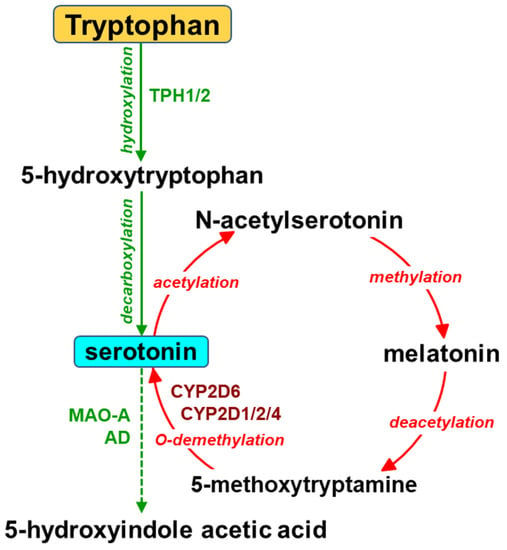
Symptoms of long COVID like brain fog, fatigue, and memory loss may be caused by depleted levels of serotonin, a neurotransmitter that regulates memory, sleep, digestion, and other functions needed for homeostasis. Researchers at Penn Medicine found that the remaining SARS-CoV-2 virus causes persistent inflammation and serotonin deficiency. The researchers found traces of the virus in stool samples of patients who had acute COVID-19 infection months before, suggesting that the virus can remain in the gut long after infection. The lingering virus triggers the release of interferons, a defense protein, that causes inflammation in the gastrointestinal tract, reducing the absorption of tryptophan. Because tryptophan is a building block for serotonin, a lack of tryptophan results in depleted levels of serotonin. Co-senior author of the study, Benjamin Abramoff, MD, MS, suggests that selective serotonin reuptake inhibitors (SSRIs) can be used to treat long COVID symptoms. SSRIs are antidepressant drugs that can increase serotonin levels by inhibiting the reabsorption of serotonin by neurons. While this study offers the opportunity for further research about viral persistence, long COVID varies from patient to patient, so more research must be done to uncover reasons for differences in symptoms.
Through ongoing research, the mystery of long COVID’s characteristics and reasons is being uncovered piece by piece. According to the Iwasaki Lab, long COVID is not a single disease. Therefore, identifying a single underlying cause of long COVID symptoms will not be possible. Yet, new findings will help researchers further their studies and form new hypotheses. Hopefully, in the future, long COVID patients will be able to receive treatments that eradicate the lingering illness.


Notes
- Nearly One in Five American Adults Who Have Had COVID-19 Still Have “Long COVID.” (2022, June 22). Retrieved April 1, 2024, from https://www.cdc.gov/nchs/pressroom/nchs_press_releases/2022/20220622.htm Back
- Klein, J., Wood, J., Jaycox, J. R., Dhodapkar, R. M., Lu, P., Gehlhausen, J. R., Tabachnikova, A., Greene, K., Tabacof, L., Malik, A. A., Silva Monteiro, V., Silva, J., Kamath, K., Zhang, M., Dhal, A., Ott, I. M., Valle, G., Peña-Hernández, M., Mao, T., . . . Akduman, K. (2023). Distinguishing features of long COVID identified through immune profiling. Nature, 623(7985), 139-148. https://doi.org/10.1038/s41586-023-06651-y Back
- Immunology of long COVID. (n.d.). Retrieved April 1, 2024, from https://medicine.yale.edu/lab/iwasaki/projects/immunology-long-covid/ Back
- Viral Persistence and Serotonin Reduction Can Cause Long COVID Symptoms, Penn Medicine Research Finds. (2023, October 16). Retrieved April 1, 2024, from https://www.pennmedicine.org/news/news-releases/2023/october/penn-study-finds-serotonin-reduction-causes-long-covid-symptoms Back
- Lattimore, K. A., Donn, S. M., Kaciroti, N., Kemper, A. R., Neal, C. R., & Vazquez, D. M. (2005). Selective serotonin reuptake inhibitor (SSRI) use during pregnancy and effects on the fetus and newborn: A meta-analysis. Journal of Perinatology, 25(9), 595-604. https://doi.org/10.1038/sj.jp.7211352 Back
- Haduch, A., Bromek, E., Kuban, W., & Daniel, W. A. (2023). The engagement of cytochrome p450 enzymes in tryptophan metabolism. Metabolites, 13(5), 629. https://doi.org/10.3390/metabo13050629 Back
- Editors of Encyclopaedia. (2024, March 9). coronavirus. Retrieved April 1, 2024, from https://www.britannica.com/science/coronavirus-virus-group Back