
Effectiveness and Safety of rVSV-ZEBOV Vaccine Against Zaire Ebola Virus
www.deerfieldfocalpoint.com/articles/effectiveness-and-safety-of-rvsv-zebov-vaccine-against-zaire-ebola-virus
Introduction
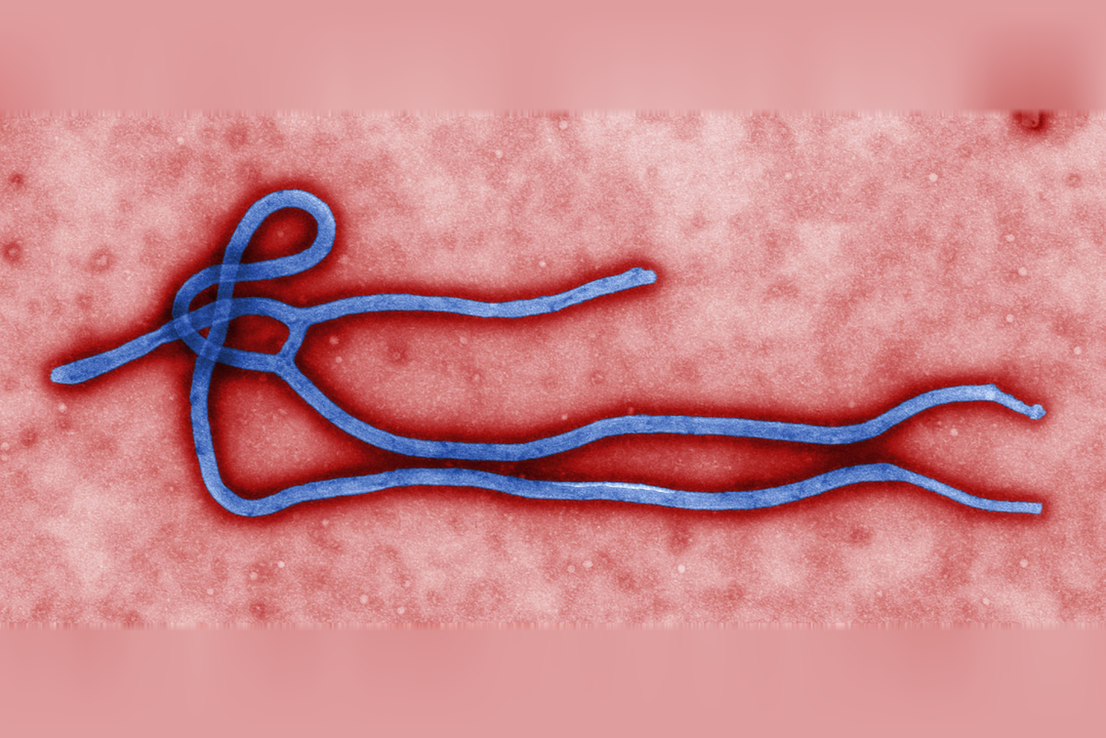
Ebola virus (EBOV) is a member of the Filoviridae family. First identified in the 1976 outbreaks of Sudan and the Democratic Republic of the Congo, the virus earned its name from the Ebola River. EBOV causes hemorrhagic fevers that often lead to death. EBOV's rapid transmission and significant public health implications causes sporadic outbreaks with high mortality rates particularly in sub-Saharan Africa1. Ebola virus disease (EVD) is due to the infection by one of the Ebola virus species, the most lethal being the Zaire Ebola Virus (ZEBOV). This virus is transmitted to humans through contact with infected animals, such as fruit bats, and transmitted among humans by direct or indirect contact with the bodily fluids. Symptoms include sudden onsets of fever, weakness, muscle pain, and, in severe cases, internal and external bleedings2. The 2013-2016 outbreak of ZEBOV in West Africa, the largest EBOV outbreak up to date, resulted in more than 28600 reported cases of EVD and 11325 deaths3. The epidemic emphasized the lack of disease surveillance, preparation and treatment. Since then, significant effort in the medical field has guided us to have a more detailed understanding of the virus.
The invention of a vaccine against ZEBOV would be vital to combat and prepare for future epidemics. Early efforts to develop Ebola vaccines date back to the 1990s and early 2000s, but these were often limited to preclinical stages due to challenges including biosafety concerns, limited funding, and sporadic outbreak patterns that hindered large-scale trials4. Initial vaccine candidates included a variety of different approaches, such as DNA-based vaccines, adenovirus-vectored approaches, and virus-like particles. Although some did show promise in animal testing, none progressed to the final stages of clinical trial5. Later in the process, the West Africa epidemic impelled international cooperation and the acceleration of vaccine development.
The most notable outcome of the efforts was the invention of the rVSVΔG-ZEBOV-GP. This vaccine demonstrated high efficacy in a landmark ring vaccination trial conducted in Guinea in 2015, which showed near-complete protection among vaccinated individuals. Following further clinical evaluation, the vaccine received approval from both the World Health Organization (WHO) and the U.S. Food and Drug Administration in 2019, becoming the first licensed vaccine for EVD6. In addition, other vaccines such as ChAd3-EBO-Z/S, Ad26.ZEBOV/MVA-BN-Filo and multivalent or pan-ebolavirus vaccines are in experimental trials and have all revealed promising results6.
This literature review investigates the pre-existing trials conducted using the rVSVΔG-ZEBOV-GP vaccine. By reporting and comparing methods, data, and conclusions from previous studies, this paper will provide a review of the immunogenicity, the ability for the vaccine to trigger immune responses, and adverse events (AE), any harmful medical occurrence during clinical trials. The purpose of this paper is to understand the effectiveness and safety of the vaccine.
Vaccine Mechanism and Function
The recombinant vesicular stomatitis virus–ZEBOV envelope glycoprotein vaccine (rVSVΔG-ZEBOV-GP) is the most effective and applied vaccine against EBOV. The vaccine, commercially known as Ervebo, is a recombinant, replication-competent viral vector vaccine designed to offer protection against ZEBOV. Recombinant vaccines, like the Ervebo, are made by using a gene of EBOV and adding it to the vesicular stomatitis virus. This vaccine, originally developed by the Public Health Agency of Canada, uses rVSV, Indiana Strain, as a vector to provoke an immune response against ZEBOV by replacing the gene encoding vesicular stomatitis virus (VSV) surface glycoprotein (G protein) with the gene encoding ZEBOV GP6. Following intramuscular injection, the vaccine virus enters host cells via endocytosis. The vaccine utilizes the Ebola GP to bind to host cell receptors and mimics natural Ebola virus entry. Then, the recombinant VSV replicates locally at the injection site and in regional lymph nodes, expressing the Ebola virus GP on its surface during replication. As a result, adaptive immune responses occur7. rVSVΔG-ZEBOV-GP vaccine may induce adverse events including pain and oedema at the injection site and fever, chills, fatigue, headache, myalgia, arthralgia, lymphopenia and arthritis, all of which are transient and of mild to moderate intensity6.
Effectiveness of the Vaccine
Over the last decade, rVSVΔG-ZEBOV-GP has stepped into Phase I and Phase II testing, presenting relatively satisfactory results through multiple clinical trials with diverse methodological approaches.
Phase III randomized, double-blind, placebo-controlled studies, like the one conducted by Halperin et al7. proved the vaccine’s immunogenicity by measuring ZEBOV-GP-specific antibody responses via enzyme-linked immunosorbent assay (ELISA) and plaque reduction neutralization tests (PRNT). These assays demonstrated a >58-fold increase in geometric mean titers (GMTs) by day 28, with sustained responses over 24 months, confirming long-term immune memory. Over 94% of recipients seroconverted by day 28, and ≥91% maintained immune responses at 24 months. Antibodies also peaked at 18 months and remained elevated. The design of the study, using consistent testing and stratified sample groups, presented itself with strong validity. Its large sample size (N=1,197) was proven to be relatively representative of a healthy adult population.
Pediatric studies, such as the phase II trial by Alabi et al8. expanded the evidence base by assessing immunogenicity in children aged 1–12 years. A randomized, controlled, open-label design, the trial measured ZEBOV-GP IgG responses and neutralizing antibody kinetics over 12 months. Results showed seroconversion rates of 87–97% by day 28. Antibody titers persisted for 12 months, and neutralization functions peaked early and remained stable.
The immunogenicity in individuals with pre-existing immunity was studied in Guinea. This study discovered that 16.3% (228/1403) of participants had baseline anti-GP IgG antibodies, possibly from pre-exposure9. After vaccination, 81.3% (955/1175) of seronegative individuals seroconverted, while those with baseline antibodies saw a significant rise in GMTs (0.237 IU/mL vs. 0.106 IU/mL in seronegative participants, p < 0.0001). These results show that the rVSVAG-ZEBOV-GP effectively boosts immunity regardless of prior exposure. This finding was extremely critical since the pre-existing immunity characteristic applied to outbreak settings9. Thus this study supports the vaccine's utility in boosting immune responses across populations.
Given that the populations and sample groups varied in sizes and traits, the studies could not empirically provide any justification of an overall cost-benefit analysis of the virus. However, based on the lab results from the studies above, the immunogenicity of the rVSVAG-ZEBOV-GP vaccine was well tested and empirically supported with different sample groups. The rVSVAG-ZEBOV-GP vaccine is highly effective in preventing EVD through rapid protection in outbreak settings and robust immunogenicity in diverse populations.
Safety of the Vaccine
The safety profile of the rVSVAG-ZEBOV-GP vaccine was evaluated under an extensive number of studies with various methods and different populations, such as adults, children, and high-risk frontline workers, etc. Overall, clinical trials consistently report that the vaccine is relatively well-tolerated with the AEs primarily being mild to moderate and transient.
In a phase II study of adults receiving a delayed booster at 18 months, reactogenicity post-booster was comparable to primary vaccination, with no new safety signals10. The sample group of the trial were individuals who received primary vaccination with 2 × 10⁷ plaque-forming units per mL of VSVΔG-ZEBOV-GP and received a booster, same with the previous vaccine, after 18 months10. In terms of safety, previously documented AE, arthritis, occurred in 9% of primary vaccines but did not recur post-booster. Serious adverse events (SAEs), such as epistaxis and gastrointestinal hemorrhage, were rare and not related to the vaccination. All the results show that the homologous boosting vaccines do not increase nor exacerbate AEs. Halperin et al.’s Phase 3 Trial evaluated safety in healthy adults7. This randomized controlled trial involved 1,197 healthy adults and found that the vaccine was generally well tolerated. Participants received one lot of rVSVΔG-ZEBOV-GP (standard dose: 2 × 10⁷ plaque-forming units [pfu]), a high-dose formulation (1 × 10⁸ pfu), or placebo. The study revealed relatively mild AEs, including injection-site pain (58.8% vaccinated vs. 21.8% placebo) and systemic AEs like fatigue (49% vs. 28%)7. SAEs were rare and not vaccine-related, with no deaths corresponding to the vaccine. Interestingly, female sex and prior arthritis history were identified as potential risk factors for post-vaccination arthritis, though severe cases were uncommon7.
The vaccine has been tested in live scenarios against EBV. Applying this vaccine in a frontliner setting against the virus can prove how the safety was demonstrated in a dangerous environment. A study of 2,016 vaccinated frontline workers in Guinea surveillance, with structured diaries for AEs11. The use of control groups of unvaccinated population allowed for comparative assessment of AE frequencies with Fisher’s exact. Results indicate that over 70% reported at least one AE within the first three days post-vaccination, with the most common symptoms being headache (52%), fatigue (46%), arthralgia (25%), and subjective fever (24%)11. Fever, a concern in Ebola-endemic regions due to the overlap of symptoms with EVD, was reported in 15% of participants, and most cases were low-grade (<39°C) and resolved within 48 hours. These findings were consistent with phase 1 trials, showing that the vaccine’s AEs are manageable and self-limiting.
The vaccine’s effectiveness with populations closely in contact with EVD is extremely essential, as this would be the primary population vaccinated in the future. Watson et al. studied vaccinated close contacts of EVD survivors, which included individuals with pre-existing immunity. The study found no significant difference in AE rates between seropositive and seronegative participants, with headache (35.1%), fatigue (23.7%), and muscle pain (14.6%) as the most common reactions9. There were only eight moderate and one severe adverse event reported, none of which were attributed to vaccination. This study provided critical evidence that pre-existing immunity does not worsen reactogenicity, thus making the vaccine suitable for environments with pre-existing exposure to EVD. Davis et al. conducted an observational follow-up study of 26 vaccinated individuals in the UK, a cohort design with standardized adverse event reporting over 12 months12. The study examined vaccination following exposure to a healthcare worker with Ebola virus disease (EVD) reactivation. Results showed that the vaccine was well tolerated, with no severe AEs reported12. Common AEs included fatigue (81%), headache (69%), myalgia (69%), and fever (50%), all of which were transient and resolved without much intervention. Throughout the trial, 50% of participants developed a fever ≥37.5 °C12. Two cases of arthralgia were observed but were unrelated to vaccination after review. This evidence suggests that although AEs are common, the vaccine remains safe for emergency use12.
Systematic reviews and network meta-analyses compared the safety of multiple Ebola vaccines, including rVSV-ZEBOV. Diallo et al. used models to estimate odds ratios for AEs, with P-scores to rank vaccine safety profiles13. The analysis confirmed that rVSV-ZEBOV has a higher chance of injection-site pain (P-score 0.90 for lower doses) and AEs such as fatigue and headache compared to other candidates. However, these AEs were mainly mild to moderate, with severe events being rare13. The study claimed the vaccine’s AEs were dose-dependent, with higher doses (e.g., 2 × 10⁷ PFU) associated with increased but manageable side effects. There were no anaphylaxis or life-threatening reactions reported, further demonstrating the vaccine’s safety13.
Discussion
The primary intent of this paper is to analyze different results of the safety and effectiveness of the rVSVΔG-ZEBOV-GP vaccine. It demonstrated high immunogenicity and strong safety profile as a vaccine to prevent EVD caused by ZEBOV. Clinical trials in diverse populations, including adults, children, individuals with pre-existing immunity showed strong efficacy. Seroconversion rates, which is the production of antibodies in the blood of a person, a valuable way for studies to measure effectiveness, exceeded 90% in most studies, with durable antibody responses lasting up to 24 months, which then indicates the long-term reliability of this vaccine.
The vaccine's mechanism, utilizing a recombinant VSV vector to express ZEBOV glycoprotein, is very effective in generating immune responses. Watson et al9. explained the mechanism and demonstrated that the vaccine effectively boosts immunity even in individuals with pre-existing antibodies, with individuals showing an 81.3% seroconversion rate. This finding is particularly useful in settings where reoccurring can occur. The rapid protection offered, typically within 10 days as observed, makes this vaccine very valuable for epidemic control.
In addition, the vaccine’s safety profile is very strong and secure. Vaccination only leads to transient mild to moderate AEs, which are all very manageable. Common AEs are injection-site pain, fatigue, headache, and low-grade fever. They were frequently reported but never escalated to a life-threatening level. In most safety trials, there was an absence of SAEs. These AEs were very acceptable as trade-offs given its high immunogenicity and efficacy. Overall, the benefits of vaccination outweighed the harms, especially in high-exposure environments. Davey et al. found that adverse events after booster vaccination were like primary vaccination10. Common reactions such as injection-site pain, fatigue, and headache were generally mild to moderate, as reported by Juan-Giner et al11.
Although the vaccine is effective and safe, several limitations in current research exist. One critical limitation is the lack of long-term data over 24 months, as explained by Halperin et al., whose Phase 3 trial showed sustained antibody responses but did not extend follow-up further7. Indeed, studies confirm durable immunity for up to two years, but the duration of protection in endemic regions needs further research. Moreover, the current trials lack research on individuals with weak or failing immune systems, such as those with HIV. Watson et al. researched pre-existing immunity but did not address people with immune deficiency9. This leaves a gap of understanding in high-risk populations.
Furthermore, the vaccine induces fever, which is a symptom overlapping with EVD. This poses challenges in outbreak settings, presented in the study by Juan-Giner et al11. There is a need for post-vaccination monitoring to distinguish vaccine-related AEs from actual EVD infection.
The rVSVΔG-ZEBOV-GP vaccine has already given people the opportunities to react to Ebola outbreak response, but its future applications are beyond emergency use. Combining this vaccine with other candidates and vaccines could enhance cross-protection against multiple species of the virus. This can solve the problem of the lack of a “pan-EBOV vaccine”.
This vaccine’s efficiency is also great for global health security. Future research should explore its use as a mechanism for other hemorrhagic fever viruses, such as Marburg or Lassa virus. This approach could fasten vaccine development for emerging infectious diseases, as suggested by Diallo et al. in their comparative analysis of Ebola vaccine platforms13.
Conclusion
The rVSVΔG-ZEBOV-GP vaccine has proven to be a great tool in Ebola prevention. Its strong efficacy and an acceptable safety profile across diverse populations can greatly benefit the current system. Its rapid and durable immune responses can also serve as a great solution for high-risk settings. The vaccine is a landmark in global health preparedness, offering a powerful defense power against future outbreaks. The innovation in vaccine deployment and combination strategies will further strengthen how humankind can combat Ebola and related emerging infectious diseases.
Notes
- World Health Organization. (n.d.). Ebola disease. https://www.who.int/health-topics/ebola Back
- Centers for Disease Control and Prevention. (2024, May 15). Ebola disease basics. https://www.cdc.gov/ebola/about/index.html Back
- World Health Organization. (n.d.). Ebola outbreak 2014–2016 - West Africa. https://www.who.int/emergencies/situations/ebola-outbreak-2014-2016-West-Africa Back
- World Health Organization. (n.d.). Ebola virus disease vaccines. https://www.who.int/teams/regulation-prequalification/eul/ebola-vaccines Back
- World Health Organization Ebola Response Team. (2016). After Ebola in West Africa — Unpredictable risks, preventable epidemics. New England Journal of Medicine, 375(6), 587–596. https://doi.org/10.1056/NEJMsr1513109 Back
- European Medicines Agency. (2025, January 24). Ervebo. https://www.ema.europa.eu/en/medicines/human/EPAR/ervebo Back
- Halperin, S. A., Das, R., Onorato, M. T., Liu, K., Martin, J., Grant-Klein, R. J., Nichols, R., Coller, B. A., Helmond, F. A., Simon, J. K., & V920-012 Study Team. (2019). Immunogenicity, lot consistency, and extended safety of rVSVΔG-ZEBOV-GP vaccine: A phase 3 randomized, double-blind, placebo-controlled study in healthy adults. The Journal of Infectious Diseases, 220(7), 1127–1135. https://doi.org/10.1093/infdis/jiz241 Back
- Alabi, A., Kokou, K., Mahmoudou, S., Kavishna, R., Nakka, S. S., Rothenberger, S., Musangomunei, F. P., Olubiyi, B. F., Bie-Ondo, J. C., Kabwende, A. L., Velavan, T. P., VSV-EBOPLUS Consortium, Medaglini, D., Nakaya, H. I., Engler, O., Harandi, A. M., Siegrist, C. A., Kremsner, P. G., & Agnandji, S. T. (2024). Replication, safety and immunogenicity of the vectored Ebola vaccine rVSV-ΔG-ZEBOV-GP in a sub-Saharan African paediatric population: A randomised controlled, open-label trial in children aged 1–12 years living in Lambaréné, Gabon. Journal of Infection, 89(4), Article 106237. https://doi.org/10.1016/j.jinf.2024.106237 Back
- Watson, C. H., Gsell, P. S., Hall, Y., Camacho, A., Riveros, X., Enwere, G., Vicari, A., Nadlaou, S. D., Toure, A., Sani, I. M., Diallo, A., Kolie, C., Duraffour, S., Ifono, K., Maomou, A., Dore, K., Djidonou, H. A., Bagayoko, A., Damey, P. P., . . . Henao-Restrepo, A. M. (2024). rVSV-ZEBOV vaccination in people with pre-existing immunity to Ebolavirus: An open-label safety and immunogenicity study in Guinean communities affected by Ebola virus disease (l'essai proches). BMC Medicine, 22(1), Article 523. https://doi.org/10.1186/s12916-024-03726-z Back
- Davey, R. T., Jr., Collins, G. L., Rouphael, N., Poliquin, G., McConnell, R., Grubbs, G., Moir, S. L., Langley, J. M., Teitelbaum, M., Hewlett, A. L., McLellan, S. L. F., Bhadelia, N., Raabe, V. N., Mulligan, M. J., Maljkovic Berry, I., Dighero-Kemp, B., Kurtz, J. R., Hensley, L. E., Dozier, N. C. E., . . . Neaton, J. D. (2024). Safety and immunogenicity of a delayed booster dose of the rVSVΔG-ZEBOV-GP vaccine for prevention of Ebola virus disease: A multicentre, open-label, phase 2 randomised controlled trial. The Lancet Microbe, 5(11), Article 100923. https://doi.org/10.1016/S2666-5247(24)00163-0 Back
- Juan-Giner, A., Tchaton, M., Jemmy, J. P., Soumah, A., Boum, Y., Faga, E. M., Cisse, M., & Grais, R. F. (2019). Safety of the rVSV ZEBOV vaccine against Ebola Zaire among frontline workers in Guinea. Vaccine, 37(48), 7171–7177. https://doi.org/10.1016/j.vaccine.2018.09.009 Back
- Davis, C., Tipton, T., Sabir, S., Aitken, C., Bennett, S., Becker, S., Evans, T., Fehling, S. K., Gunson, R., Hall, Y., Jackson, C., Johanssen, I., Kieny, M. P., Mcmenamin, J., Spence, E., Strecker, T., Sykes, C., Templeton, K., Thorburn, F., . . . Thomson, E. C. (2020). Postexposure prophylaxis with rVSV-ZEBOV following exposure to a patient with Ebola virus disease relapse in the United Kingdom: An operational, safety, and immunogenicity report. Clinical Infectious Diseases, 71(11), 2872–2879. https://doi.org/10.1093/cid/ciz1165 Back
- Diallo, A., Carlos-Bolumbu, M., Cervantes-Gonzalez, M., Wozniak, V., Diallo, M. H., Diallo, B. D., Delamou, A., & Galtier, F. (2021). Immunogenicity and safety of Ebola virus vaccines in healthy adults: A systematic review and network meta-analysis. Human Vaccines & Immunotherapeutics, 17(10), 3771–3783. https://doi.org/10.1080/21645515.2021.1932214 Back
- Legardy-Williams, J. K., Carter, R. J., Goldstein, S. T., Jarrett, O. D., Szefer, E., Fombah, A. E., Tinker, S. C., Samai, M., & Mahon, B. E. (2020). Pregnancy outcomes among women receiving rVSVΔ-ZEBOV-GP Ebola vaccine during the Sierra Leone Trial to Introduce a Vaccine against Ebola. Emerging Infectious Diseases, 26(3), 541–548. https://doi.org/10.3201/eid2603.191018 Back
- Goldsmith, C. (n.d.). Ebola virus virion [Colorized transmission electron micrograph]. CDC, Public Health Image Library, image 10816. Public domain. https://commons.wikimedia.org/wiki/File:Ebola_virus_virion.jpg Back


